
What is an Electric Bike?
E-bikes: The Complete Guide from Definition to Buying
Gone are the days when an e-bike was just a "regular bike with a motor." It’s now a go-to travel tool that balances the freedom of cycling with the need for less effort. Whether you’re using it for daily commuting, weekend outings, or short-distance hauling, it fits seamlessly into different scenarios. Let’s break down everything you need to know about e-bikes—from core definitions to practical details.

What Is an E-bike?
E-bike is essentially a bicycle with power assist, featuring three core components: a battery, a motor, and a controller. It retains the pedaling function of a traditional bike while providing extra power through the motor.
Crucially, it’s not a smaller version of an electric scooter—it’s an upgrade to a traditional bicycle. Most models have a motor power of ≤750 watts, their speed is limited by the assist mode, and riding still requires human effort (or you can switch to full electric mode when needed).
II. Key Classification: The 3 Universal E-bike Classes
First off, different e-bike classes have clear differences in power activation method and maximum assist speed—and these differences directly impact your riding scenarios and regulatory compliance. This is your first step in choosing the right e-bike.
Core Activation & Operation Modes
Maximum Assist Speed
Applicable Use Cases
Riding Area Compatibility
1. Activation Requirement
The motor must be activated by a pedaling motion—it won’t turn on without you pedaling first.
2. Operation Mode
It only provides pedal assist; there is no independent power start function (you can’t launch or ride it solely on motor power without pedaling).
20 mph(32km/h)
Daily commuting, beginners just starting out, and scenarios that don’t require much riding experience—like grocery shopping for daily supplies and food, or picking up packages or food deliveries.
It offers the broadest compatibility—you can access nearly all areas that are open to traditional bicycles.
Core Activation & Operation Modes
Maximum Assist Speed
Applicable Use Cases
Riding Area Compatibility
1. Activation Requirement
Supports pedal assist (same as Class 1), and also allows direct motor activation via a throttle (no pedaling required).
2. Operation Mode
Enables flexible switching between the two modes: pedal-assist and throttle-only.
20 mph(32 km/h)
Short-distance commuting, ideal for people with limited stamina, or scenarios where you need to temporarily cut down on physical effort—such as dropping off/picking up kids from school, commuting to work, or exercising in parks.
Broad Compatibility with Most Bicycle-Accessible Zones
Check Local Ordinances to verify rules for your area.
Core Activation & Operation Modes
Maximum Assist Speed
Applicable Use Cases
Riding Area Compatibility
1. Activation Requirement
The motor only activates via pedal assist—there is no independent start function using a throttle. You must pedal to trigger the motor, just like with a Class 1 e-bike.
2. Operation Mode
It focuses on high-speed assist, with motor power tuned specifically for efficient output. This means the motor delivers stronger, more consistent support at higher speeds (up to 28 mph), making it easier to keep up with moderate traffic or cover longer distances quickly.
28mph(45km/h)
Class 3 e-bikes are tailored for scenarios demanding high travel efficiency, such as long-distance rides and intercity commutes.
riding area compatibility is limited—some regions restrict access to bicycle lanes and similar areas.
Second, when buying a Class 3 e-bike, confirm it meets your local registration requirements (e.g., whether its motor power and top speed fall within your area’s motor vehicle registration guidelines). This helps you avoid purchasing non-compliant models that can’t be legally ridden on the road.
If you’re unsure about local rules or vehicle compliance, feel free to reach out to us at Esu!
Note on Riding Area Compatibility
Riding area compatibility for Class 3 e-bikes is always subject to local traffic laws in your area. Due to its higher speed (up to 28 mph), some regions may impose additional restrictions on its use—these can include limits on specific roads, trail access, or even extra safety requirements.
III. Technical Principles: How E-Bikes Work?
E-Bike Core Operation: The Synergy of Motor, Battery, and Controller
Below is a detailed breakdown tailored to the operational contexts of both the U.S. and European markets:
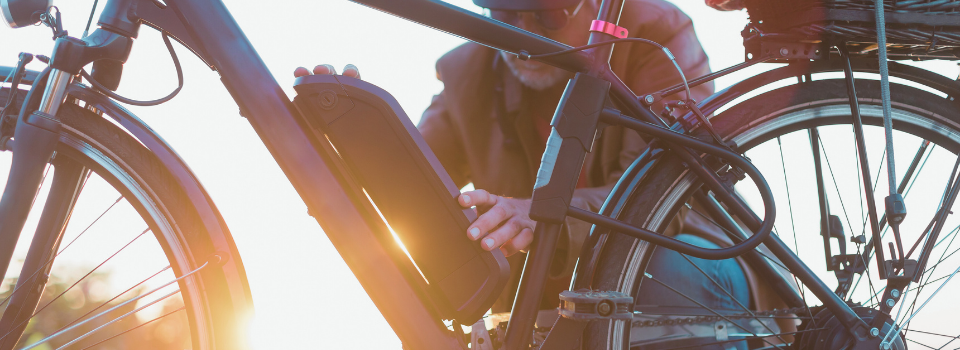
1. Battery: The Primary Energy Source
Batteries store electrochemical energy, functioning as the primary power supply for electric bicycles. Two main battery types are predominant in both the U.S. and European markets:
Sealed Lead-Acid (SLA) Batteries: Economically advantageous yet cumbersome, with a limited service life (approximately 1–2 years). They also exhibit slow charging rates, typically requiring 8–12 hours to reach full capacity. Such batteries are commonly employed in affordable urban e-bikes and shared mobility fleets across both regions.
Lithium Batteries (including Ion, Polymer, and Manganese variants): Characterized by light weight, extended service life (3–5 years), and rapid charging capabilities—many models achieve 80% capacity within a 2–4 hour window. They represent the predominant choice for most consumer e-bikes, spanning from U.S. Class 1 commuter models to European pedelecs (EPACs).
2. Motor: Conversion of Electrical Energy to Mechanical Power
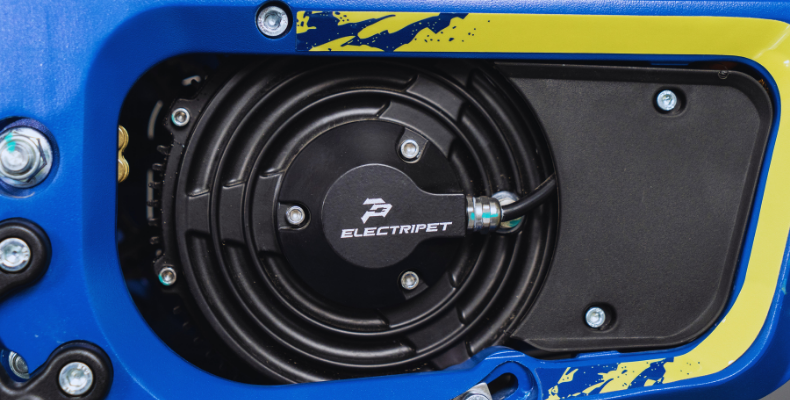
The motor extracts electrical energy from the battery and converts this energy into mechanical power to drive wheel rotation. Most e-bikes marketed in the U.S. and Europe are equipped with motors installed in two primary locations:
Wheel Hub: Integrated into the front or rear wheel (rear hubs are more popular for better traction, especially in wet European climates).
Mid-Drive (Bottom Bracket): Mounted near the pedals, connected to the bike’s chain. This design leverages the bike’s gears, making it ideal for hilly terrain—common in European mountain e-bikes and U.S. Class 3 high-speed models.
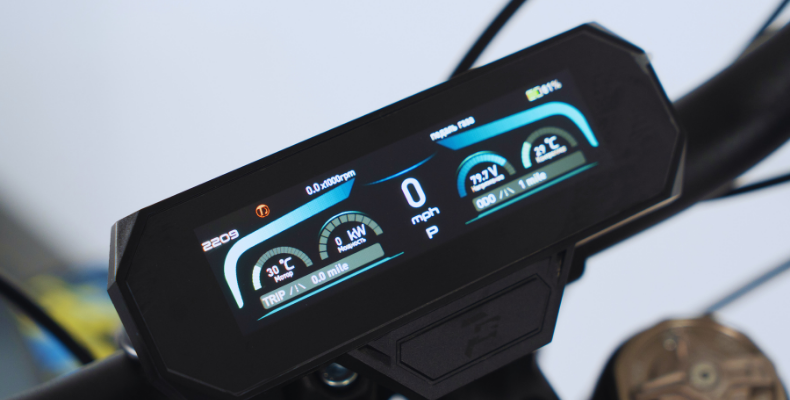
3. Controller: The “Brain” of Regulation
The controller acts as the e-bike’s smart regulator, adjusting the motor’s power output based on the rider’s input—ensuring smooth, balanced performance:
For pedal-assist (PA) models (U.S. Class 1/3, European EPACs), it uses torque or cadence sensors to detect how hard or fast you’re pedaling, then matches the motor’s boost to your effort.
For throttle-assisted models (U.S. Class 2, some European L1e-B models), it responds to twist-grip or button throttles to deliver power without pedaling—while automatically capping speed to comply with local regulations (20 mph/32 km/h in the U.S., 25 km/h/15.5 mph for European EPACs).
IV. Operation & Purchase: From "Proper Usage" to "Right Selection"
1. 3 Basic Operating Modes
Pedal Only (Human-Powered Mode): Deactivate the motor, and the e-bike operates identically to a conventional bicycle. This mode is suitable for physical exercise or when the battery is depleted.
Pedal-Assist Mode: The motor automatically delivers power when the rider pedals, with adjustable assistance intensity (typically 1-5 levels). It balances riding efficiency and physical effort, and is utilized as the primary mode for daily use across both the U.S. and European markets.
Electric-Only Mode: Exclusive to U.S. Class 2 e-bikes and partial EU L1e-B models. Activated via the throttle (twist-grip or button), the motor provides full power with no pedaling required—ideal for short-distance travel (e.g., urban errands or last-mile commuting).
2. How to Choose the Right E-Bike for You: A Simple 3-Step Guide
The key to picking the perfect ride boils down to three easy steps: nail your use case, check key specs, and make sure it’s street-legal.
Step 1: Start with Your “Why” – Pick Based on How You’ll Ride
Your e-bike should fit your life, not the other way around. Here’s how to match the bike to your daily grind:
Daily Commuting (5-20 Miles): Go for a lightweight commuter e-bike (under 55 lbs). Look for a compact frame—easy to weave through city traffic and carry up stairs if needed. Most Class 1 e-bikes work here—they’re quiet, smooth, and fit in bike lanes.
Cargo Hauling (Groceries, Kids, Gear): Grab a cargo e-bike with a reinforced rack (holds 50+ lbs) and wide, stable tires. Class 2 is ideal here—throttle assist lets you cruise without pedaling when you’re loaded up.
Off-Road/Mountain Riding: Opt for a mountain e-bike with shock absorbers and grippy tires. Class 3 models are your best bet—more power for steep trails, and they top out at 28 mph (the legal limit for high-speed e-bikes).
Pro Tip: Not sure? Ask yourself: “Will I ride mostly on pavement, dirt, or both?” “Do I need to carry anything heavy?” That cuts through the noise fast.
Step 2: Check the Specs That Actually Matter
You don’t need to be a tech geek—focus on these three must-have features:
Battery: Go Lithium (No Exceptions for Personal Use)
Lead-acid batteries are cheap, but they’re heavy (like, really heavy) and die fast (1-2 years). Save yourself the hassle—lithium-ion batteries are the way to go:
Daily Use: 36V/48V lithium battery (10Ah-15Ah) – lasts 3-5 years, charges in 2-4 hours, and keeps the bike light.
Long Rides (20+ Miles): Upgrade to 15Ah+ (500Wh+). A 48V20Ah battery? That’ll get you 80+ miles on a single charge—perfect for weekend trips.
Step 3: Make Sure It’s Legal – Don’t Waste Money on a Bike You Can’t Ride
V. Frequently Asked Questions: 10 Practical Queries for New E-Bike Riders
1. Do I have to pedal to activate the motor?
It depends on the e-bike class:
Class 1 and Class 3 require pedaling to trigger the motor (pedal-assist only).
Class 2 offers two options: "pedal-assist mode" or "electric-only mode" (activate via throttle—no pedaling needed).
2. Where can I ride an e-bike?
There’s no universal answer—it’s subject to local regulations:
For example, some cities allow Class 1/2 on bike lanes but prohibit Class 3. Certain scenic areas or trails may restrict all e-bikes.
We recommend checking local transportation department guidelines or resources from advocacy groups like PeopleForBikes in advance.
3. Do I need a license or insurance?
In most cases, no—as long as your e-bike falls into the three Classes mentioned (motor ≤750W, meets speed limits), it’s classified as a "low-speed non-motor vehicle," so no license or mandatory insurance is required.A few regions have special rules for Class 3 (e.g., registration or Filing), so you’ll need to confirm separately with your local transportation authority.
4. What specific types of e-bikes are there?
E-bikes are categorized by use case to fit different needs:
- Urban Commuter E-Bikes: Lightweight, some foldable. They prioritize range and portability—perfect for daily trips to work or errands.
- Mountain E-Bikes: Equipped with shock absorbers and wide tires. Designed for rough terrain like trails or hills.
- Electric Cargo Bikes: Have reinforced rear/front racks for heavy loads. Ideal for hauling groceries, gear, or even kids.
- Adaptive Electric Bikes: Customized for riders with disabilities—features like extra handrails or modified seats make them more accessible.
5. Are e-bikes heavy?
Yes, they’re heavier than regular bicycles—thanks to extra components like the battery and motor.
Most e-bikes weigh between 40–80 pounds (about 18–36 kg)—roughly twice the weight of a standard bike (which is usually 10–15 kg). Be careful when carrying or moving them; some models come with "assist handles" to make lifting easier.
6. Can I ride an e-bike in the rain or bad weather?
You can, but there are two key things to keep in mind:
- Anti-slip safety: Rain reduces tire grip, so slow down and avoid sudden braking or turns to prevent skidding.
- Water protection: Most e-bikes have basic water resistance, but don’t let the motor or battery connections get soaked (avoid riding through deep puddles or staying out in heavy rain for too long).
7. Do e-bikes have shifters (gears)?
Most do—just like regular bicycles, they come with a gear-shifting system. You can adjust the gears based on terrain (hills) or speed, and when paired with the motor’s assistance, it makes climbing hills or accelerating much easier with less effort.
8. Can I clean my e-bike?
Yes, but avoid high-pressure washers—they can damage sensitive parts. Instead, use a low-pressure stream of water to rinse the frame. Focus on keeping water away from the battery connections and motor wiring. After cleaning, dry the gaps and crevices with a towel to prevent rust or electrical shorts.
9. Why are e-bikes so popular right now?
There are 3 key reasons:
- Less effort: They solve the problem of fatigue from long rides or steep hills—no more struggling to pedal uphill.
- Eco-friendly: They produce zero emissions, making them a more low-carbon option than cars or gas-powered scooters.
- Convenience: They can use bike lanes to avoid traffic jams, and you don’t have to waste time looking for parking (a big plus in cities).
10. What are the basic e-bike riding safety tips?
Here are 4 key essentials to stay safe:
- Wear a helmet (non-negotiable) – It’s the most critical protection for head safety. Also, turn on front and rear lights when riding at night or in low-light conditions (like dawn or dusk) to stay visible to cars and pedestrians.
- Start safely – Pedal first before activating the motor, instead of relying on the motor to start directly. This prevents sudden acceleration that could make you lose balance.
- Check before riding – Regularly inspect your brakes (make sure they’re responsive) and battery level (avoid riding with too little power). This ensures key parts work properly and avoids mid-ride breakdowns.
- Follow traffic rules – Don’t ride against the flow of traffic, and never exceed the speed limit (especially important for Class 3 e-bikes, which top out at 28 mph). Stick to bike lanes when available.


 Wuxi ESU Positioning and ProductsManufacturing + Global Distribution + Self-Owned Overseas Warehouses.
Wuxi ESU Electric Technology Co., Ltd. is a trading company specializing in electric vehicles, integrating in-house R&D, direct sales, and cross-border distribution. What is an Electric Bike?Discover what an electric bike is, how it works, and its benefits. Learn why e-bikes are revolutionizing eco-friendly transportation and urban commuting.


Chat Online